Two Homes, One Storm: How Grenadian-Americans Should Prepare for Hurricane Season Travel
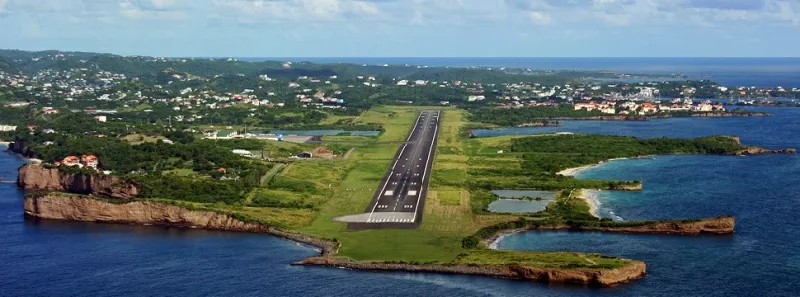
Photo: Grenadian family airport reunion Caribbean travel, via www.grenadavacationrentals.com
Every June through November, a familiar pattern repeats at Maurice Bishop International Airport. Among the tourists arriving for dive packages and rum tours are passengers with a different look in their eyes — Grenadians who live in Brooklyn, Miami, Toronto, or Atlanta, flying home for a wedding, a funeral, a christening, or an aging parent who needs them. Hurricane season is not a deterrent. It is simply the calendar they were dealt.
For these travelers, the standard tourist advice published across the Caribbean — buy travel insurance, monitor the NHC, know your hotel's evacuation plan — covers only half the equation. A Grenadian-American flying into a storm isn't preparing for an unfamiliar destination. They're preparing for a place where they are simultaneously a local and a visitor, and where an American passport does not make the rain fall any slower.
Why the Diaspora Travels Differently
A tourist caught in a tropical storm faces inconvenience and, in a worst case, genuine danger. A diaspora traveler faces something more layered: they may be the person their entire extended family is counting on. The aunt in Grand Anse who can't charge her oxygen concentrator. The cousins in a low-lying area of St. George's who need a ride to a shelter. The funeral that must proceed because the body has already arrived.
This creates a distinctive failure mode. Tourists tend to over-communicate with people back home who can't help them. Diaspora travelers often do the opposite — they go silent because everyone they'd normally call is in the same blackout zone.
Build Two Plans, Not One
Before booking a storm-season flight home, Grenadian-Americans should treat the trip as two separate preparedness exercises.
The US-side plan: Designate one family member stateside who is not on the trip. This person becomes the communication anchor — the one who monitors the National Hurricane Center, fields calls from worried relatives in New York, and can initiate a welfare check through official channels if contact is lost. Share your full itinerary, including where you'll actually be sleeping, not just the airport code. American family members should understand that after a storm, phone service in Grenada may be down for days; silence is not evidence of harm.
The Grenada-side plan: Know which family home you'll shelter in and honestly assess it. Many diaspora travelers default to the family house out of habit, even when a relative's concrete home on higher ground is demonstrably safer. Ask the hard questions before the season peaks: Does the roof date from before Hurricane Ivan? Is the area prone to flooding or landslide? Where is the nearest designated shelter, and does it accept elderly relatives with medical needs?
The Checklist That Travels in the Suitcase
Pack for the possibility of being the family's resource, not just its guest:
- Cash in small denominations of EC dollars, enough to cover fuel, food, and transport if card systems are down
- A printed list of Grenada's emergency numbers — phone batteries die and saved contacts vanish with them
- Any prescription medications in original containers, plus a written copy of prescriptions in case you're stranded beyond your return date
- A basic kit: flashlight, battery pack, water purification tablets, and a physical map of the island
- Copies of key documents stored digitally and with your US anchor person: passport, return ticket, travel insurance, and proof of any property interests back home
Book With an Exit in Mind
Flight flexibility matters more for diaspora travelers than for anyone else, because you often cannot simply leave. A funeral cannot be rescheduled around a tropical wave. Still, choose airlines with storm-waiver policies, book return flights that can be changed without crushing fees, and register your trip with the US State Department's Smart Traveler Enrollment Program (STEP) — not because the embassy is your first responder, but because consular notification matters if the island's communications collapse entirely.
Above all, set a personal trigger point. Decide in advance: if a named storm is projected within a certain distance of Grenada within a certain number of days of my departure, I act — rebook early, move my flight up, or shelter deliberately rather than ambiguously. Travelers who decide in the moment, with family pressure swirling and a hurricane watch in effect, tend to decide too late.
The Reassurance Worth Giving Your Family
Grenada's emergency infrastructure — its district warning network, its shelters, its met office alert system — works, and it works best when people in it know the local reality. Diaspora travelers who understand both worlds are often the calmest people in the room when a storm approaches. They know that the sirens and radio bulletins mean something specific, that neighbors will check on neighbors, and that the island has rebuilt from worse.
The goal is not to talk anyone out of going home. It is to make sure that when you land for that wedding or that goodbye, you've already done the work that lets you be present for the reason you came.