Static That Saves Lives: Why a Battery Radio Belongs in Every Grenada Travel Bag
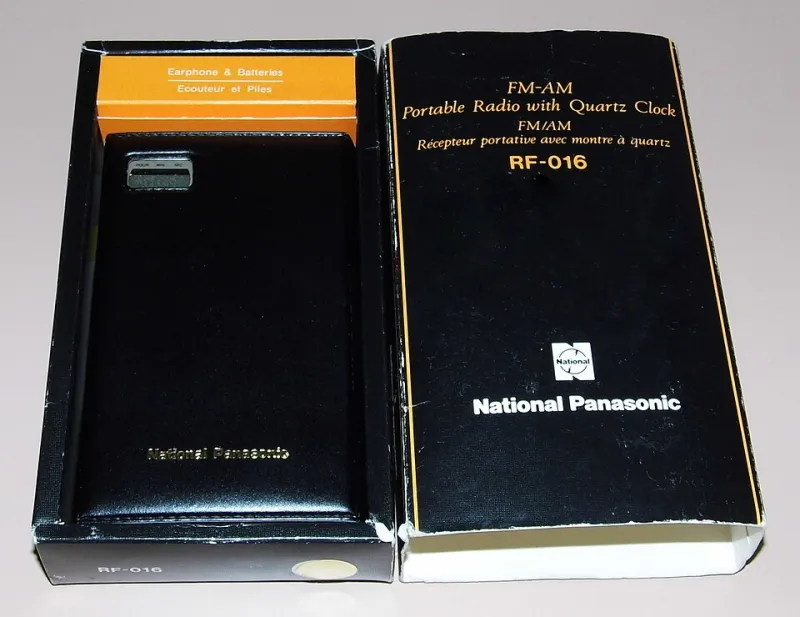
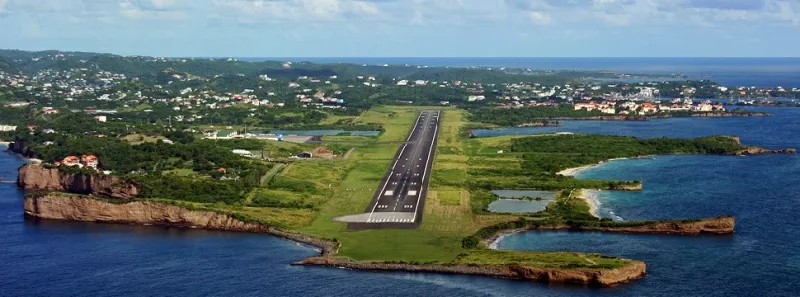
Photo: Joe Haupt from USA, CC BY-SA 2.0, via Wikimedia Commons
Somewhere around 4 a.m., during the worst hours of a passing hurricane, the smartphone in your Grenada villa goes quiet. The cell tower down the road has lost power, the data network is congested or dead, and the push alerts you relied on all week simply stop arriving. This is not a hypothetical scenario. It is the standard sequence of a serious Caribbean storm, and it catches thousands of American visitors off guard every season.
What still works — often through the entire event — is radio. Grenada's FM broadcasters, operating from fortified studios with generator backup, have decades of experience staying on the air when everything else fails. For a traveler from the United States, understanding this radio landscape may be the single most valuable piece of hurricane preparedness you can pack.
Why Radio Endures When Networks Fall
Modern alert systems depend on a fragile chain: power grids, fiber lines, cell towers, and your phone's battery. A tropical storm can break any link in that chain, and a Category 3 hurricane tends to break all of them at once.
Radio transmission is different. A station needs one powered transmitter and you need a small receiver. There is no network to overload, no signal to drop, no app update required. Grenada's national broadcaster has long treated storm coverage as a core public duty, and during past hurricanes — including the devastating passage of Hurricane Ivan in 2004 — radio was the thread that kept the population informed while roofs peeled away.
There is also a content difference that push alerts cannot match. A phone alert tells you a warning exists. A radio broadcast tells you the storm's latest position, which districts are expected to lose power, which shelters are open, where roads are blocked, when the airport expects to reopen, and what officials are asking residents to do next. It is continuous, contextual, and updated by people who are living through the same event you are.
The Dial-In Cheat Sheet for US Travelers
Before your trip, write down the frequencies below and store them with your passport. You will not be able to look them up when you need them.
National broadcaster (storm coverage hub): The Grenada Broadcasting Network's flagship FM service, commonly known as 91.1 FM, is the default destination for official hurricane updates, emergency bulletins, and continuous storm tracking. During a named storm, treat this frequency as your primary source.
Secondary FM stations: Grenada's radio dial includes several commercial and community stations in the 88 to 102 MHz range. If your primary frequency goes silent, scan the band rather than assuming all broadcasting has stopped. Stations frequently shift to backup transmitters, and a signal may reappear at a different point on the dial.
International signals: In the clearest conditions, a decent receiver may also pick up FM broadcasts from Trinidad, roughly 80 miles to the south, or St. Vincent and Barbados to the north. These will not carry Grenada-specific instructions, but they can confirm regional weather conditions when local transmitters are down.
Shortwave and ham operators: Serious preppers know that amateur radio operators form an informal lifeline across the Caribbean. A shortwave-capable receiver (even an inexpensive portable) can pick up regional and international broadcasts, including BBC and Voice of America, which carry Caribbean weather updates. Ham operators themselves often relay damage reports and emergency traffic when official channels are saturated. You cannot transmit without a license, but you can listen — and listening is what matters in a crisis.
What to Pack: A Radio Buying Guide
Do not assume your lodging will provide a radio, and do not rely on your phone's FM capability. Many US smartphones — including all iPhones — lack FM receiver hardware entirely.
A suitable emergency radio costs between $20 and $50 at any American retailer and should have three features:
- Battery or crank power. Hand-crank models with a built-in solar panel eliminate the battery anxiety entirely. If you choose batteries, pack spare lithium AAs; they survive heat and humidity better than alkalines.
- AM/FM/NOAA bands. NOAA weather band radios sold in the US tune to US weather frequencies, which are useless in Grenada — but the AM band on the same radio can pick up distant Caribbean and South American signals at night, and FM covers the local stations.
- A flashlight and USB output. Many emergency radios double as a phone charger and light source, which matters more than you think when power is out for days.
Pack it in your carry-on. Radios are permitted on flights, and checked luggage has a way of arriving late — or not at all — precisely when you least need that complication.
What a Radio Broadcast Will Tell You That Alerts Won't
Push notifications are binary: a storm is coming, a warning is in effect. Radio coverage is a running narrative. During a typical storm broadcast on Grenada, you will hear:
- Hourly updates on the storm's position, speed, and expected arrival time
- All-clear announcements district by district as conditions improve, so you know when it is safe to leave shelter
- Status of the airport, seaports, and inter-island ferries
- Which hospitals, shelters, and fuel stations are operational
- Official instructions from the National Disaster Management agency, read live and repeated for clarity
That last point deserves emphasis. In the United States, you might wait for a wireless emergency alert on your phone. In Grenada during a storm, the official word often arrives first — and sometimes only — over the radio. If you cannot hear it, you are relying on rumor, and rumor on a small island during a crisis travels faster than the storm.
One Habit Before You Leave Home
Ten minutes before your trip, tune the radio once, confirm the batteries work, and tape the frequency list to the device itself. When the power fails on a dark August night and the rain is moving sideways, you will not want to read a manual, download an app, or troubleshoot anything. You will want to turn a dial, hear a human voice, and know exactly what happens next.
That is what radio offers that no alert system can: continuity. The storm takes the lights, the internet, and the bars on your phone. It does not easily take the signal.
Save 91.1 FM in your notes, pack a crank radio, and check our Emergency Contacts guide for the numbers to pair with your dial.