Twenty Dollars and a Corner Shop: Assembling a Backup Kit Inside Your Grenada Rental
Most American travelers land in Grenada with a checked bag full of swimwear and not a single item they would need if the power failed for twelve hours. That gap is understandable — nobody packs for a tropical storm when the forecast shows sunshine and 84 degrees. The good news is that Grenada's shops can close that gap quickly, cheaply, and without a special trip. For roughly twenty US dollars, a visitor can assemble a functional emergency stash using nothing but the same supermarkets and corner shops locals use every day.
Why the Rental Villa Won't Save You
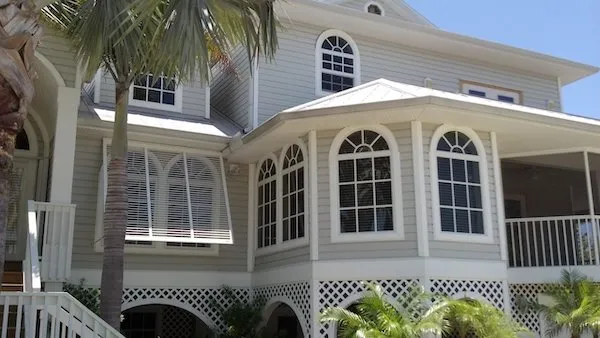
Grenada's guesthouses and villas are generally well maintained, but few keep dedicated emergency supplies for guests. A candle in the kitchen drawer and a half-charged phone are common. During the 2024 passage of Hurricane Beryl, which struck Grenada's sister islands hard, even properties on the mainland saw extended outages and water interruptions. A traveler who assumed the front desk would handle everything spent that night in the dark, out of contact, and out of water.
The fix takes an afternoon, not a shopping expedition.
Where to Shop Near Your Rental
Nearly every populated area of the island sits within walking distance of one of three shop types:
- Supermarkets — IGA, Food Fair, and Real Value locations in Grand Anse, St. George's, and up the west coast carry everything on the list below at US-equivalent prices.
- Hardware and variety stores — Shops in St. George's and along the Grand Anse strip stock flashlights, batteries, and tarps.
- Corner shops — The small neighborhood stores that dot every village handle last-minute top-ups: snacks, juice boxes, matches.
A single taxi or bus ride to the nearest supermarket covers the whole list.
The Twenty-Dollar List
Prices are approximate in US dollars and vary by location, but this basket reliably lands between fifteen and twenty-five dollars:
- LED flashlight or headlamp — $5–8. Available at hardware shops and most supermarkets. Skip candle-only lighting; open flames in an unfamiliar rental are their own hazard.
- Batteries (AA or D, depending on the light) — $2–4.
- Four to six liters of bottled water — $3–5. Buy more if a named storm is within three days of the island.
- Shelf-stable snacks — $3–4. Crackers, peanut butter packets, canned tuna with a pull-top lid, granola bars. Grenadian supermarkets stock all of these.
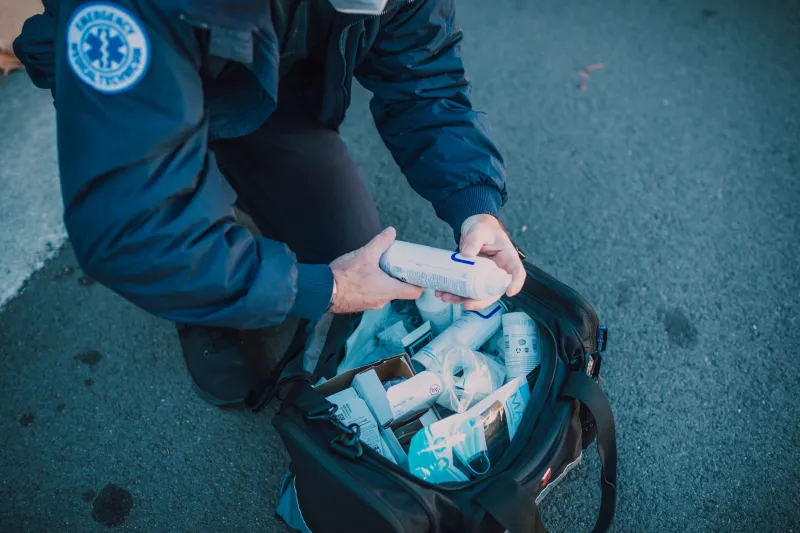
- Basic first aid items — $3–5. Adhesive bandages, antiseptic wipes, and pain relievers are available at pharmacies and most supermarket aisles.
- Phone top-up credit — $5–10. If your US plan has no Caribbean coverage, purchase a local SIM at the airport or a Digicel or Flow retail location, then add credit or a small data bundle. A charged phone with credit is the single most valuable emergency tool a traveler can hold.
Three Items That Are Surprisingly Hard to Find
A few things Americans expect to grab easily are genuinely scarce on island:
- Battery packs (power banks) — Stock is inconsistent outside St. George's. If you rely on one, bring it from home.
- Specialty medications — Pharmacies stock common prescriptions, but refills of US-brand medications can take days. Carry a full trip supply.
- Water purification tablets — Rarely stocked. Bottled water is the practical substitute.
A Checklist to Save Before You Fly
- LED flashlight
- Spare batteries
- 4–6 liters water per person
- One day of shelf-stable food
- Bandages, wipes, pain relievers
- Charged power bank (from home)
- Local SIM or roaming credit
- Photocopies of passport and travel documents
- Small amount of cash in small bills
Print this or screenshot it before departure. Fifteen minutes at a supermarket on day two of your trip is all it takes.
Checking Out: What to Leave Behind
When your trip ends, do not haul a flashlight and half-eaten crackers through airport security and a connecting terminal in Miami. Leave usable, unopened items in the rental with a short note for the owner or next guest — many properties now keep a small guest-supply shelf this way. Batteries can go in household recycling; opened food should be discarded. The only items worth carrying home are documents, medications, and your phone.
The twenty dollars spent is not a bet on disaster. It is the same logic that makes travelers buy travel insurance: a small, one-time cost that converts a bad night into an inconvenience. Grenada is a safe and welcoming island, and the odds are overwhelming that your kit will sit untouched in a closet all week. But if the cone shifts and the lights flicker, you will be glad it is there.