Bars Down, Plan Up: A Traveler's Guide to Communication When Grenada's Cell Network Fails
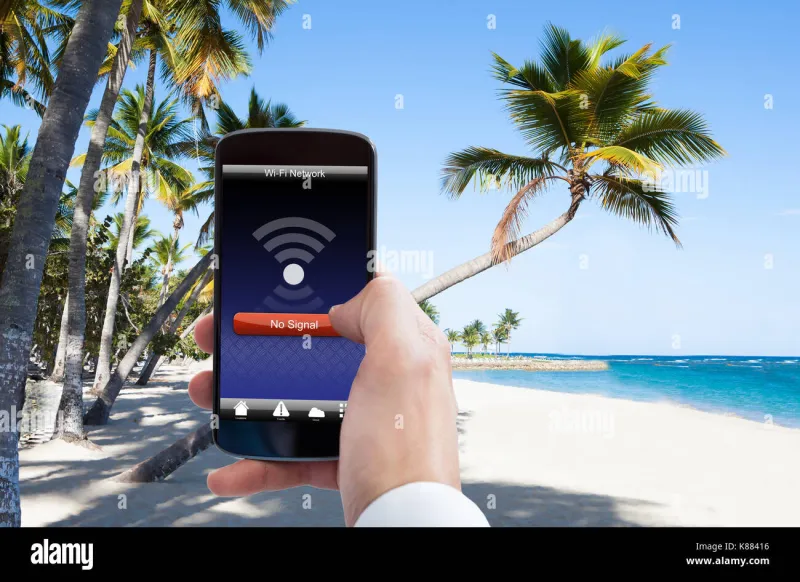
Photo: traveler checking smartphone with no signal bars tropical storm Caribbean, via c8.alamy.com
For most American travelers, the smartphone is the emergency plan. It holds your embassy contacts, your lodging details, your airline app, and the weather radar you've been refreshing since the tropical wave formed off the African coast. But in Grenada—during a hurricane, a significant earthquake, or even a prolonged power outage—your phone's most important feature may stop working entirely: the signal.
Understanding how and why the island's mobile networks fail, and what to do in the hours before and after, is one of the most practical pieces of storm-season preparation a visitor can undertake.
Why Grenada's Networks Are Vulnerable
Grenada's mobile infrastructure is robust for its size, but it faces structural challenges that larger markets like the United States do not. The island relies on a limited number of cell towers, many of which depend on the same power grid that storms routinely knock out. Backup generators and batteries extend coverage, but sustained outages—particularly after a direct hurricane hit—can push sites offline in sequence rather than all at once.
Earthquakes present a different problem. Grenada sits near the boundary of the Caribbean and South American plates, and seismic activity can damage tower hardware or fiber connections even when power remains intact. In either scenario, the result is the same for a traveler: calls that won't connect, texts that sit unsent, and data that crawls or disappears.
The two primary carriers, Digicel and Flow, generally maintain comparable coverage across the island. Neither is immune to storm damage, and which performs better during any given event often comes down to which provider's specific tower sites retained power. Travelers on one network can sometimes send messages when the other is down, which is one reason a local SIM or eSIM from either carrier is worth considering at arrival.
Recognizing the Silence Test
Network degradation rarely happens all at once. Learning to read the early signs can prompt you to act before you're fully cut off:
- Texts deliver late or not at all. SMS messages require far less bandwidth than calls. If texts are failing, your connection is already compromised.
- Calls drop or fail to route. Repeated "call failed" messages during a storm suggest congestion or tower damage, not a problem with your handset.
- Data speeds collapse. If weather apps won't load, the network is either congested with other users or partially offline.
- Signal strength fluctuates wildly. Bars that swing from full to none within minutes indicate an unstable connection to a distant or damaged tower.
Treat these signs as a countdown. You may have minutes or hours of degraded service remaining—use them to send the messages that matter most.
The Offline Fallback Plan
Establish a Meeting Point Before You Need One
The single most effective offline strategy costs nothing: agree on a physical meeting point with everyone in your travel party. Choose a location within walking distance of your accommodation that is structurally sound and unlikely to flood—a hotel lobby, a designated shelter, or a landmark church. Write the address down on paper, in both English and any relevant local phrasing, and keep it with your passport.
Add a secondary meeting point in the opposite direction, in case the first is inaccessible. This is standard practice for families in hurricane-prone US states like Florida and Louisiana, and it translates directly to island travel.
Use Messaging Apps Designed for Weak Signals
Not all apps require a full data connection. WhatsApp, widely used in Grenada, can sometimes deliver messages on marginal connections when browsers and voice calls fail, because it queues messages and sends them the moment a sliver of bandwidth appears. Text-based communication will almost always outperform voice and video when networks are strained.
Before your trip, install a messaging app that works across platforms, exchange handles with your travel companions and your emergency contact back home, and agree that a simple check-in message carries more value than a call that may never connect.
Know Your Radio Options
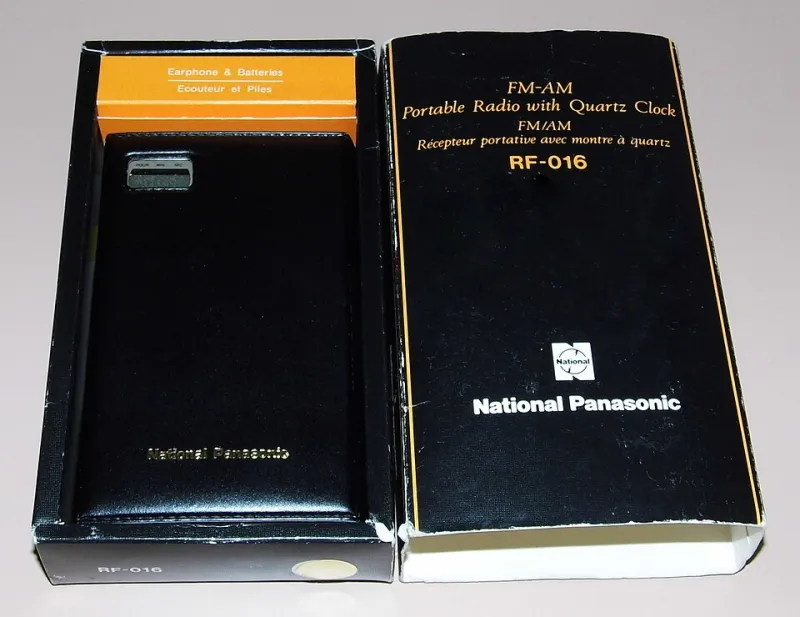
Local radio remains one of the most resilient information channels during a Caribbean crisis. Battery-powered or hand-crank radios—cheap, lightweight, and available at any US retailer like REI or Walmart—can pick up Grenadian AM and FM broadcasts even when every phone on the island is silent. Local stations relay official advisories from the National Disaster Management Agency (NaDMA) and are often the first source of accurate, island-specific information.
Pack the radio in your carry-on, not your checked bag. Alongside it, keep spare batteries and, if you carry a portable power bank, charge it fully whenever a storm watch is issued.
Write Down What Lives in Your Phone
When service dies, so does your access to saved contacts, confirmation numbers, and maps. Before the storm season or any major weather event, write down on paper:
- Your accommodation's address and phone number
- The US Embassy's local contact details
- Your airline's rebooking number
- Your insurance policy number and emergency line
- Family contacts in the United States
This habit takes ten minutes and solves the most common post-outage problem travelers report: knowing who to contact but having no way to reach them.
If You're Already Offline
If service has already failed, resist the urge to wander in search of signal. Elevated ground, open areas, and higher floors of sturdy buildings sometimes catch signal where valleys and concrete interiors do not—but only move if conditions are safe. Otherwise, proceed to your designated meeting point and wait. In nearly every past event, Grenadian networks have been restored incrementally, with text messaging returning before voice and data.
When service returns, send brief messages rather than attempting calls. Congested networks recover faster when users keep their demands minimal.
The Takeaway
The travelers who fare best through a Grenadian network outage are not the ones with the newest phone—they're the ones with a plan that doesn't depend on one. A written meeting point, a paper contact sheet, a battery radio, and a messaging app that queues texts cost almost nothing to assemble and work when everything else fails. Build that kit before the clouds gather, and the silence, when it comes, will be an inconvenience rather than a crisis.