When the Runway Is Closed: A Traveler's Guide to Boating Off Grenada Safely
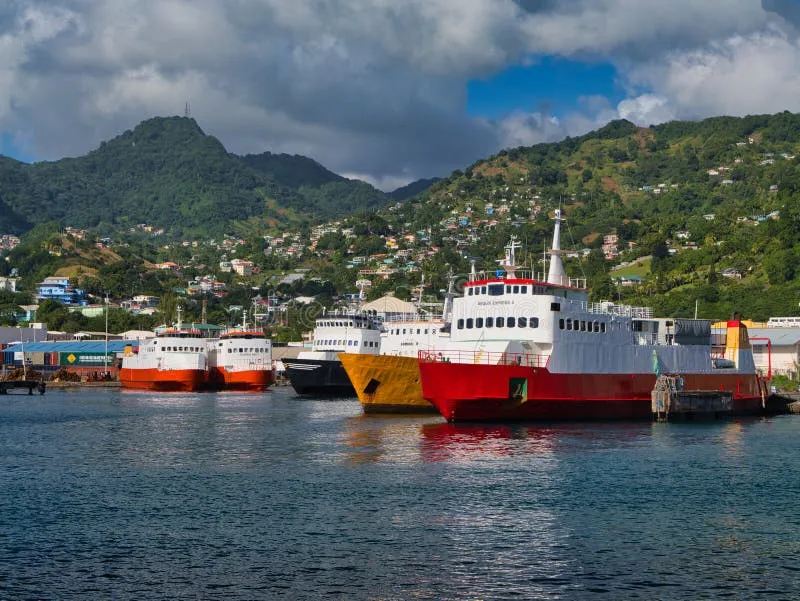
Photo: inter-island ferry boat Caribbean sea passengers, via thumbs.dreamstime.com
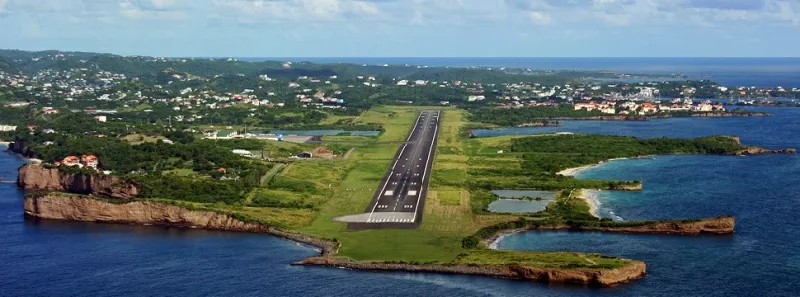
When Tropical Storm conditions close Maurice Bishop International Airport, the first instinct for many American visitors is panic-booking the first boat that promises passage. That instinct deserves scrutiny. Grenada's maritime network — from the scheduled Osprey ferry to independent charters and the fishing vessels that have crossed these channels for generations — offers real options, but they are not interchangeable, and not all of them are appropriate for an inexperienced passenger in unsettled weather.
Know Your Three Options
The first step is understanding what actually exists. The scheduled inter-island ferry between St. George's and Carriacou is the most regulated option, with licensed operators, life jackets on board, and established routes. Private charters — powerboats and catamarans available for hire — fall into a middle tier: often professionally run, but variable in condition and crew training. Finally, there are local fishing boats, some of which will take paying passengers when demand spikes. These vessels may be perfectly seaworthy in calm conditions, but they typically lack safety equipment standards that US travelers would expect from a commercial operation.
Questions to Ask Before You Board
Treat any boat like you would a rental car — inspect it and ask direct questions. How many passengers is the vessel rated for, and how many are boarding? Are life jackets available for every person, including children? Does the crew carry a working VHF radio, flares, and a functioning engine, or a backup? How long is the crossing, and what is the weather forecast for the entire route, not just the departure point? A captain who answers these questions readily is a good sign. One who brushes them off deserves your hesitation.
The Channel Between the Islands
The passage between Grenada and Carriacou crosses open Caribbean water that can turn rough quickly, particularly during the Atlantic hurricane season from June through November. A crossing that takes ninety minutes in fair conditions can become dangerous in a swell. If the Grenada Meteorological Service has issued small craft advisories, that is not a suggestion — it is a warning that conditions exceed what most vessels should handle.
When Waiting Is the Smarter Call
There is real wisdom in staying put. Airport closures from weather are usually measured in hours or a few days, not weeks. Hotels and guesthouses on the mainland will typically accommodate extended stays, and the US Embassy in Barbados, which covers Grenada, maintains guidance for stranded citizens. If a storm system is still active, the ocean is not a shortcut — it is a second hazard. A traveler who waits two days for the airport to reopen has lost time. A traveler who boards an overloaded vessel in a swell has gambled far more.
Practical Steps Before You Need Them
Save the contact information for the ferry operator and two or three licensed charter companies before your trip, not after a cancellation. Confirm whether your travel insurance covers marine transport — many policies treat private charters differently from scheduled ferries. And register with the Smart Traveler Enrollment Program (STEP) through the State Department so you receive official updates if conditions deteriorate.
Getting off an island when planes stop flying is sometimes possible by sea. Getting there safely requires the same skepticism and preparation you would apply to any other travel decision — perhaps more, given what is at stake.