The Clinic Map Nobody Hands You: Where American Travelers Get Treated in Grenada and Why
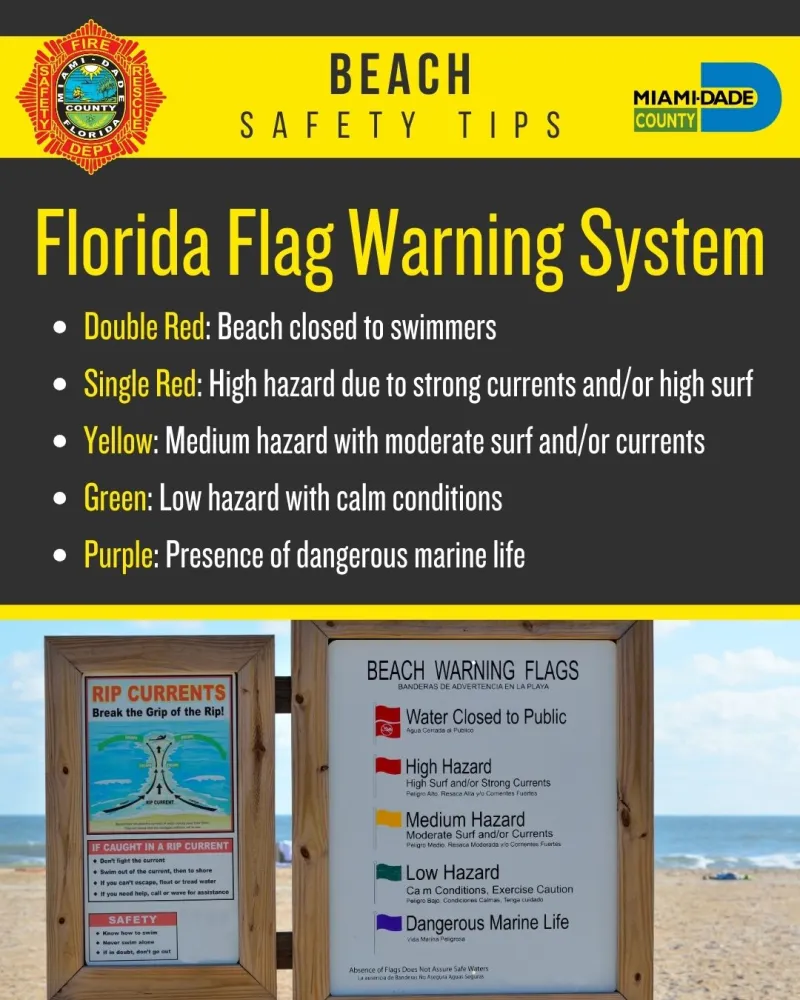
Photo: Caribbean beach lifeguard flag warning sign tropical shore, via www.miamidade.gov
Most American visitors arrive in Grenada with a hurricane plan and no idea which clinic treats a punctured foot. That math is backwards. In a typical year, storms close in on the island for a matter of days, while the ocean, the sun, and the trails are working on tourists every single afternoon. The injuries that fill waiting rooms in St. George's are rarely dramatic. They are the preventable kind: a gashed heel from a reef, heat illness on the Grand Etang trail, an infected urchin wound that was ignored for two days.
This guide walks through the four hazards that actually send travelers for medical care, what to do in the first ten minutes, and where to go.
Rip Currents: The Beach That Looks Calmest Is Often the Danger
Grenada's Atlantic-facing beaches, particularly around Levera and the northern coast, behave very differently from the sheltered Caribbean side. Grand Anse, the famous two-mile stretch south of the capital, is generally swimmable, but even there, rip currents form after swells and near the rocky points at either end.
A rip current does not pull you under. It pulls you out, fast, through a channel of darker, choppy water that often looks like the easiest place to enter. The instinct to swim straight back to shore against it exhausts even strong swimmers. The correct response is counterintuitive: float, tread water, and swim parallel to the beach until you are out of the channel, then angle back in.
Before you get in the water, do what locals do. Look at the water's texture — a flat, rippled gap between breaking waves is a telltale channel. Ask a vendor, a lifeguard, or anyone working the beach. Grenadians will tell you plainly which stretch of water is misbehaving that day, and they are almost always right.
Sea Urchins and Reef Cuts: Small Injuries That Become Big Problems
The most common ocean injury treated at Grenadian clinics is not a jellyfish sting. It is the sea urchin spine, usually stepped on while wading near rocks at low tide, often at sunset when spines are nearly invisible.
First aid is straightforward. Soak the foot in hot water — as hot as the person can tolerate — which eases pain and can soften the spine. Do not dig aggressively; buried spine fragments frequently dissolve on their own or work their way out. What matters is watching the wound. A puncture that becomes increasingly red, swollen, or warm over 24 to 48 hours needs medical attention and likely antibiotics.
Reef cuts deserve the same respect. Coral is living material laced with bacteria, and a scrape that would be trivial in Michigan can turn angry within a day in the tropics. Rinse with clean fresh water, apply antiseptic, and cover it. If you see spreading redness, seek care promptly rather than waiting out your flight home.
Heat and the Rainforest Trails: Dehydration in the Rain
It sounds like a contradiction — heat exhaustion in a rainforest — but Grenada's interior trails, including the routes around Grand Etang and the Seven Sisters falls, combine humidity, steep climbing, and deceptively cool shade. Visitors underestimate how much fluid they lose and how quickly the return leg of a hike degrades their judgment.
Warning signs arrive in order: headache, nausea, dizziness, then confusion. At the first two, stop in shade, drink water steadily, and cool the skin. Confusion is the red line — that person needs to get to a clinic, not finish the hike.
Carry more water than seems reasonable, start early in the morning, and tell someone at your lodging where you are going. A significant share of trail rescues on the island begin with a hiker who told no one their plan.
Mosquito Season: Timing Your Trip Around the Risk Curve
Mosquito-borne illness in Grenada — dengue in particular — follows rainfall rather than the calendar. Risk climbs during and after the wet season, roughly June through November, and dips in the drier months. There is no vaccine available to travelers for dengue in most cases, which makes prevention the entire strategy.
Use a repellent containing DEET, picaridin, or oil of lemon eucalyptus, especially at dawn and dusk. Choose lodging with intact screens or air conditioning. And know the symptoms: high fever, severe headache, pain behind the eyes, and body aches. If you develop a fever during your trip or within two weeks of returning home, mention your travel history to your doctor — a detail American emergency rooms frequently forget to ask about.
Where to Go When Something Goes Wrong
Grenada's primary facility is the General Hospital in St. George's, which handles serious emergencies around the clock. For less urgent matters — an urchin wound, a fever, a suspicious reef cut — private practices and clinics in and around St. George's, including facilities serving the Grand Anse tourism corridor, can see walk-in patients during daytime hours, often with shorter waits.
Keep three things saved in your phone before you arrive: the emergency number for police and ambulance services on the island, the direct line of your lodging, and the contact information for your travel insurance provider's 24-hour assistance line. Confirm before departure whether your plan requires upfront payment and reimbursement — many Grenadian facilities expect payment at the time of service.
None of this is meant to keep you out of the water or off the trails. Grenada's coastline and rainforest are the reason most Americans make the trip. But the travelers who enjoy them without a clinic visit share one habit: they spent ten minutes learning the local rules before they dove in. Consider this your ten minutes.