Ten Minutes at the Rental Counter: The Vehicle Checks That Matter on Grenada's Mountain Roads
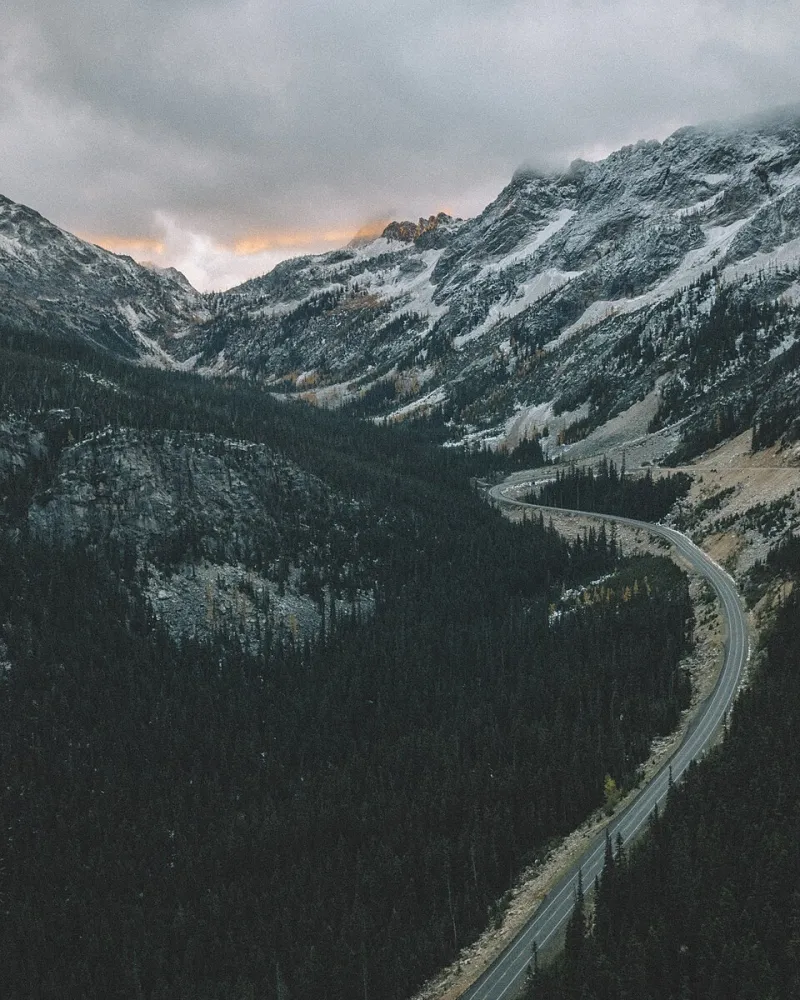
Photo: adrian aows, CC0, via Wikimedia Commons
Grenada's road network rewards drivers with some of the most striking scenery in the Caribbean — the switchbacks up through Grand Ette National Park, the coastal climb toward Sauteurs, the narrow parish roads that thread between nutmeg groves. It also punishes unprepared drivers. Cell coverage thins in the interior, tow services are limited outside St. George's, and a flat tire on a steep bend with no shoulder is a very different problem than one in an American parking lot.
The good news: most of these risks can be retired in the ten minutes you spend inspecting the vehicle before you drive off. Here is what to check, why it matters, and what to do if things go wrong anyway.
Start With What's Under the Hatch
Rental cars in Grenada are typically compact sedans or small SUVs, and the spare tire situation varies widely between operators. Open the trunk or hatch and confirm three things:
- A spare tire exists — and is inflated. A flat spare is a common and easily missed defect. Ask the agent to verify pressure or use the gauge if one is provided.
- The jack and lug wrench are present and functional. Some vehicles ship with a repair kit instead of a spare. That is acceptable on island roads only if you understand how to use it; if you don't, request a vehicle with a physical spare.
- You can locate the jack's mounting points. If you have never changed a tire, watch a two-minute video before your trip rather than learning on a hillside.
While you're there, check the condition of the primary tires themselves. Worn tread is a genuine hazard on Grenada's wet mountain roads, where afternoon rain arrives quickly and traction disappears faster than it does on dry American highways.
Lighting, Charging, and Hands-Free Essentials
Street lighting outside St. George's is sparse, and a breakdown after dark becomes significantly more serious without illumination. Confirm the vehicle has a working flashlight or, failing that, plan to keep your phone's light available — which means keeping the phone charged.
A few small items make an outsized difference:
- A phone mount. Grenadian law and basic safety both argue against handling a phone while navigating hairpin turns. A dash mount lets you make a hands-free emergency call if needed.
- A charging cable and car adapter. A dead phone in a no-signal zone is a compounding failure.
- Drinking water and a snack. If you are stranded waiting for help in the interior, conditions can be warm and humid even in the shade.
Many travelers assemble a small backup kit for their lodging; extending that habit to the car costs almost nothing and covers the gaps between guesthouse and vehicle.
Fuel Planning: Fill at Half, Not Empty
Grenada's fuel stations are concentrated along the coastal corridor and in larger towns. Routes through the interior — the drive from St. George's up through Grenville and into the Grand Ette area, or the long western run toward Victoria — can stretch well beyond the range of a quarter-tank on unfamiliar roads.
Adopt a simple rule: refill at half a tank. Fuel is not expensive by US standards, and the discipline removes an entire category of roadside trouble. Note that some stations close in the evening, so plan fills during daylight hours when you are also best able to see the road.
The Pre-Drive Checklist
Run through this list before leaving the rental lot:
- Spare tire present and inflated
- Jack and lug wrench onboard
- Primary tires show adequate tread
- Flashlight or working phone light
- Phone mount installed
- Charging cable and adapter in the car
- Water and a snack stored in the cabin
- Tank at half or refilled
- Rental company's roadside assistance number saved in your phone — on paper as well
- Emergency numbers saved: Grenada's police, ambulance, and fire services, plus your rental operator's local line
That last point deserves emphasis. The rental agreement usually contains a local breakdown number that is not the same as the international customer-service line printed on the company's website. Save the local number before you need it.
If You Break Down Out of Signal Range
Coverage maps for Grenada show reliable service in towns and along much of the coast, but interior valleys and some elevated stretches can drop to nothing. If your vehicle fails in one of these zones:
- Stay with the vehicle. It is far easier for a rescue or tow service to locate a car than a person, and shade, water, and shelter are all with you.
- Move the car off the roadway if safely possible. Roads are narrow, and a disabled vehicle on a blind curve is a hazard to other drivers.
- Walk only if you can see a building or business within a short distance. Grenadians are generally helpful to stranded travelers, and small shops or homes frequently have a landline or better coverage.
- Mark your location. Note the nearest kilometer marker, junction, or landmark so you can describe your position when you reach signal.
Once you have a connection, call the rental company's roadside line first — they know the island's limited tow network and will dispatch the right service. For a medical emergency, contact local emergency services directly rather than attempting to drive yourself.
A Final Word on Mountain Driving
The checks above take minutes; the habits they support take no longer. Drive the interior routes in daylight, expect oncoming traffic to use the full road width on blind bends, and treat every hillcrest as hiding a pedestrian, a dog, or a stopped vehicle. Grenada's roads are manageable and deeply rewarding — provided the car you're in is as ready as the driver.