Dispatch Decoded: How Grenada's Emergency Network Really Works When You Need Help
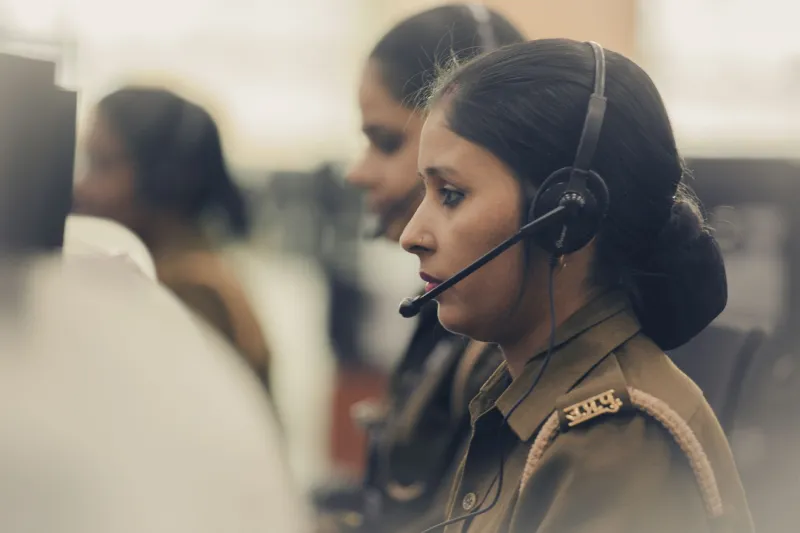
For most American travelers, the instinct in any crisis is automatic: dial 911. In Grenada, that reflex needs a slight adjustment. The island does operate a 911 line, but the system behind it works differently than the centralized dispatch centers Americans are used to — and understanding those differences can mean the difference between a five-minute response and a frustrating hour of being transferred between agencies.
One Number, Several Destinations
Grenada's emergency line routes callers to the Royal Grenada Police Force, which functions as the primary intake point for most crises. Unlike the integrated dispatch hubs in major US cities, Grenada's system relies more heavily on direct lines to individual services. In practice, this means:
- Police: Reachable through the 911 line, handling everything from theft to traffic accidents
- Ambulance and medical emergencies: Often faster to reach through St. George's General Hospital or specific clinic numbers, particularly outside the capital
- Fire service: Maintains its own stations in St. George's, Grenville, and other districts
- Coast Guard: The right call for incidents on the water — a critical distinction on an island where boating and inter-island travel are common
The practical takeaway: if your emergency is clearly medical, clearly maritime, or clearly fire-related, asking the 911 operator to connect you — or calling the relevant service directly — can shave minutes off your wait.
What Response Times Actually Look Like
Honesty matters here. Grenada is a small island nation with limited resources, and response expectations should be calibrated accordingly. In St. George's and the surrounding areas, police response is generally prompt. In remote parishes — parts of St. Patrick, St. Mark, or the interior — a single winding road can add substantial time to any dispatch.
American visitors accustomed to suburban US response times of under ten minutes should plan for longer waits, particularly for ambulance transport. Many experienced residents and long-term visitors handle non-life-threatening injuries by arranging private transport to a clinic rather than waiting for an ambulance. For genuine emergencies — cardiac events, serious trauma, drowning — call immediately and follow the dispatcher's guidance while help is en route.
NaDMA: The Agency Americans Haven't Heard Of
The National Disaster Management Agency, known locally as NaDMA, occupies a role with no exact US equivalent. It is not a first responder in the way a police department is. Instead, NaDMA coordinates the government's response to hurricanes, floods, landslides, and other large-scale events — think of it as a compact fusion of FEMA's coordination role and a state emergency management office.
During storm season, NaDMA issues the island's official alerts: advisory, watch, and warning levels that determine whether businesses close, flights stop, and shelters open. Travelers should know that during an activation, information flows through NaDMA and local radio rather than the apps and alert systems Americans rely on at home. Following the agency's public communications before and during your trip is one of the simplest preparedness steps available.
Getting Help Faster: A Field Guide
A few habits dramatically improve outcomes when calling for help in Grenada:
- Know your location by local landmarks. Many properties don't have US-style street addresses. "Villa above Morne Rouge Bay, third driveway past the turnoff" is more useful to a dispatcher than a resort name alone.
- Save numbers before you arrive. Store the police line, the main hospital, and your country's embassy or consulate contact in your phone the day you book.
- Let your accommodation advocate for you. Hotel and villa staff call these services regularly and often reach the right person faster than a visitor can.
- For medical issues, identify the nearest facility in advance. St. George's has the island's principal hospital, but travelers on the northern or eastern coasts may be closer to district clinics.
- US citizens with serious emergencies should also contact the US Embassy serving the Eastern Caribbean — it can assist with medical evacuation logistics, lost passports, and connecting families back home.
The Bottom Line
Grenada's emergency network is functional, staffed by dedicated professionals, and simply structured differently than what Americans expect. The 911-style line works, but it is the front door to a system — not the system itself. Visitors who spend ten minutes before their trip saving the right numbers, noting their accommodation's landmarks, and understanding NaDMA's role will navigate any crisis with far less friction. On a small island, knowing who answers when you call is half the battle.