District Captains and Door-to-Door Alerts: The Human Network That Keeps Grenada Safe
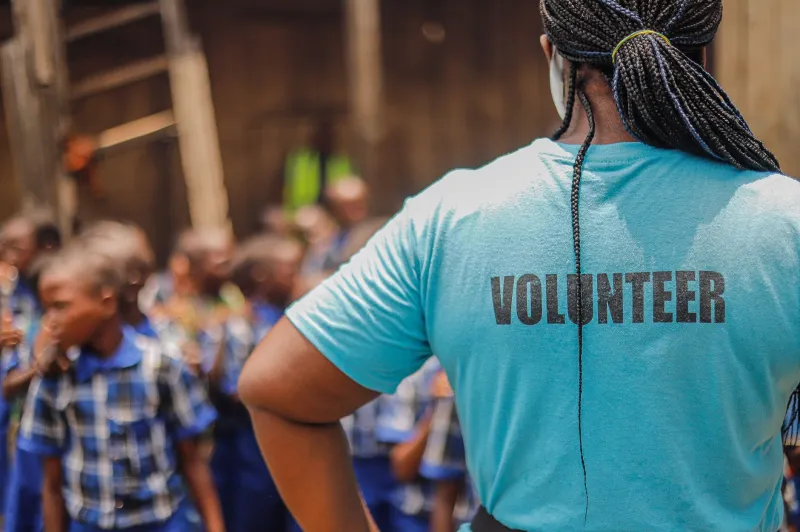
When Hurricane Ivan tore across Grenada in 2004, it destroyed or damaged roughly 90 percent of the island's homes and severed communications for days. What connected isolated communities in the aftermath wasn't a government app or an emergency broadcast. It was people — parish volunteers, district captains, and neighbors with battery radios, moving information on foot through roads blocked by fallen nutmeg trees.
Two decades later, that human infrastructure is still intact, and it remains one of the most effective — and least understood — layers of safety on the island. For American travelers, learning to recognize it may matter more than downloading another alert application.
The Warden System, Explained
Grenada's National Disaster Management Agency (NaDMA) coordinates preparedness through a network of district disaster committees spanning the island's parishes. Each district has trained coordinators — often called district captains or community wardens — who serve as the local connective tissue between national authorities and individual neighborhoods.
Their responsibilities are refreshingly practical. Before a storm, they help identify which homes shelter elderly or mobility-limited residents. During an event, they operate from designated district shelters, relay casualty and damage reports upward, and manage the distribution of relief supplies. Afterward, they are frequently the first officials on the scene — hours before any national assessment team arrives.
One warden in the parish of St. Andrew described the role to us simply: "The radio says a hurricane is coming. I know which house on my road has a leaking roof and which grandmother won't leave without her goats. The radio doesn't know those things."
Sirens, Bells, and the Sound of a Real Alert
Visitors accustomed to smartphone alerts are often surprised to learn that in many Grenadian communities, the warning of last resort is audible, not digital. Churches, schools, and police stations in several districts maintain sirens or bells used to signal emergencies. A sustained siren pattern in a coastal village may indicate a tsunami advisory; repeated bell ringing from a village church has historically signaled everything from fires to storm approach.
The lesson for travelers is not to decode every signal in advance — it's to notice them. If you hear a siren while others on the beach are calmly gathering their belongings and moving inland, follow the locals. The person next to you has likely rehearsed this their entire life.
Why Your App Will Fail You Exactly When It Matters
American visitors tend to over-trust the phone in their pocket. That trust fails in predictable ways during a Caribbean crisis:
- Cell towers lose power. Backup generators typically hold for hours, not days. During Ivan, most of the island was dark, communication-wise, for over a week.
- Roaming congestion. Even where towers survive, the network saturates instantly as everyone calls home at once.
- US alert apps don't cover Grenada. FEMA's Wireless Emergency Alerts and most American weather apps have no jurisdiction here. Your phone will stay silent through a local emergency unless you've deliberately configured sources.
How to Plug Into the Local Chain
The good news: joining Grenada's human alert network requires no paperwork, only initiative.
- Introduce yourself at check-in. Ask your hotel or guesthouse manager who the local district contact is and where the nearest designated shelter or hurricane refuge is located. Managers know; they simply don't always volunteer it.
- Identify the nearest police station and health center on foot, not just on a map. In a crisis, these are information hubs.
- Keep a battery or hand-crank radio. Local stations such as the national broadcaster resume transmission quickly and relay official NaDMA bulletins when internet and cellular service are gone.
- Learn two or three neighbors' names if you're staying in a villa or rented apartment. In practice, the person in the adjoining apartment is your fastest alert system.
- Save the numbers that matter — police, the general hospital, and NaDMA itself — in your phone and on a card in your wallet. The Grenada Emergency Hub maintains a current directory for exactly this purpose.
The Takeaway
Grenada's disaster response is often described as a chain: national agencies at one end, individual households at the other, with wardens and district committees forming the links between. Travelers who rely only on technology are, in effect, standing outside the chain. Those who take an hour to learn who their local link is — and where the siren sounds from — inherit a resilience no app can replicate.
The island learned its preparedness the hard way, in 2004. The network it built afterward is still there, still staffed, and still willing to knock on your door. All you have to do is know to answer.