The Embassy Myth: Why Calling Washington First Could Cost You a Day in Grenada
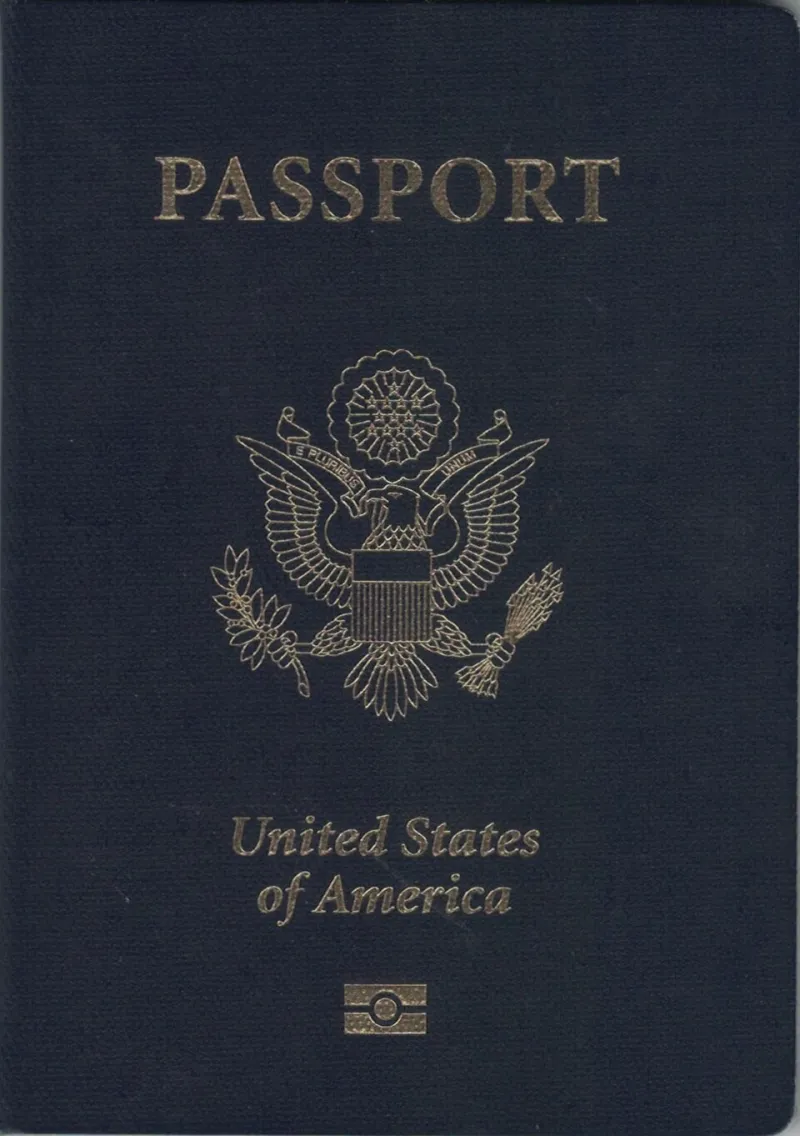
Photo: Robert Rexach www.mkt3000.com, Public domain, via Wikimedia Commons
Picture the scenario: a US traveler breaks an ankle on the stairs at Grand Anse, or a passport vanishes from a guesthouse in Saint George's. The instinct for many Americans is the same one baked in since childhood — call the embassy. It feels like the obvious move. It is also, more often than not, the slowest one.
The United States does not maintain an embassy on Grenada itself. American citizens services are handled through the US Embassy in Bridgetown, Barbados, which covers a cluster of Eastern Caribbean nations. What that means in practical terms is distance, time zones, and a casework queue. Understanding this gap between expectation and reality is one of the most valuable pieces of trip preparation an American can do before landing at Maurice Bishop International.
What the Embassy Can Actually Do
The embassy is not useless — it is simply specialized. Its genuine functions include replacing a lost or stolen passport (typically within a few business days), facilitating an emergency loan if you are destitute, providing a list of local attorneys if you are arrested, contacting family back home in a serious emergency, and assisting in the aftermath of a death of a US citizen abroad.
Notice what is missing from that list. The embassy does not operate ambulances. It does not pay hospital bills. It cannot get you out of jail, intervene in a police matter, or provide legal advice. It does not arrange flights home because your airline canceled a route. For all of these situations, the embassy will, politely and eventually, point you back to local resources — the same resources you could have contacted on day one.
The Local Numbers That Solve Problems Fast
Grenada's emergency infrastructure is compact and, by regional standards, efficient. The Royal Grenada Police Force handles 911 for police, fire, and ambulance services across the island. For medical matters, the General Hospital in Saint George's is the primary public facility, with private options such as St. Augustine's Medical Services offering alternatives that some American travelers find more familiar in style and billing.
Before your trip, program these into your phone with the US country code attached so they work even if you lose your saved SIM or switch to a local one:
- Police, fire, or ambulance: 911
- General Hospital: +1 473 440 2051
- St. Augustine's Medical Services: +1 473 435 2500
- Your travel insurer's 24-hour assistance line — the number printed on your card, not the claims line
- Your airline's Caribbean or Miami-based operations desk
That last pair matters more than most travelers realize. A stolen passport triggers a police report requirement; a medical evacuation triggers a call to your insurer's assistance center, which coordinates everything from hospital guarantees to air ambulance logistics. These are the calls that produce results in hours.
The Right Order of Operations
Here is a practical sequence for the most common American traveler crises:
Medical emergency: Call 911 or go directly to the nearest facility. Notify your insurer's assistance line the same day. The embassy is not part of this chain unless a hospitalization becomes prolonged or a family needs to be notified.
Stolen passport: File a police report first — you will need it. Then contact the embassy in Barbados for a replacement. The US Bureau of Consular Affairs website allows you to start the replacement process online, which shaves days off the timeline.
Arrest or detention: Ask to be allowed to contact the embassy. Under the Vienna Convention, US citizens have the right to consular notification. But also secure a local attorney from the embassy's published list — the embassy itself cannot advocate for you in a Grenadian courtroom.
Stranded by canceled transport: Call your airline or ferry operator before anyone else. The embassy does not rebook travel, and it will not cover a hotel room.
Why the Myth Persists
Part of the confusion comes from how Americans experience emergency services at home, where a single embassy-equivalent — the State Department — is often the only international-sounding number anyone remembers. Pop culture reinforces it: the idea of the embassy as a rescue station is a Hollywood staple, not a consular reality.
The truth is more mundane and more useful. Grenada's local services respond to the crisis; the embassy handles the paperwork afterward. A traveler who knows this distinction moves through a bad day in Saint George's in hours. A traveler who doesn't can lose days waiting on a call that was never going to produce an ambulance, a lawyer, or a boarding pass.
Save the Bridgetown embassy number — +1 246 452 9818 — but treat it as a tool for documents and welfare checks, not as your first call. In a genuine emergency on the island, Grenada's own numbers are the ones that answer.