Verify Before You Worry: A Traveler's Checklist for Confirming Grenada Emergency Alerts
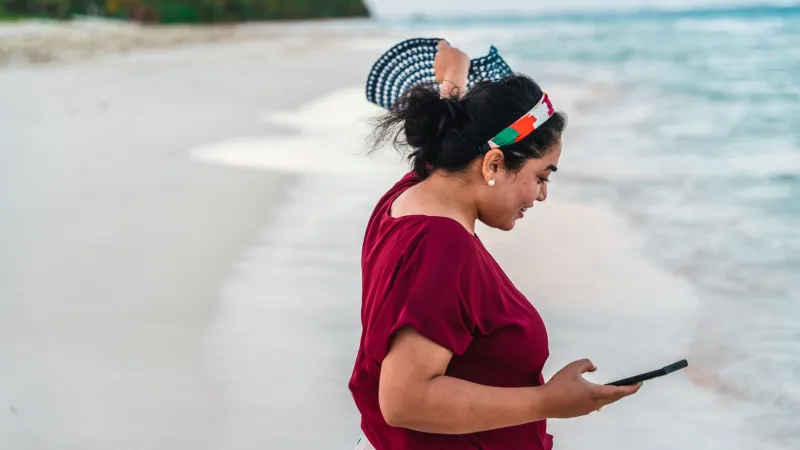
A stranger in a beach bar mentions a storm is forming. A WhatsApp forward circulates through your hotel's guest group chat claiming the airport will close. Someone posts a screenshot of a 'tsunami warning' with no source attached. Within an hour, a routine weather system has turned into a full-blown panic — and not a single word of it came from an official channel.
For American travelers, this scenario is remarkably common in Grenada, where tourism runs on word of mouth and social media fills any information vacuum instantly. Knowing which alerts are real, and which are noise, is one of the most underrated travel skills you can bring to the island.
Who Actually Issues Alerts in Grenada
Grenada's emergency information flows through a small number of authoritative sources, and it is worth memorizing them before you land.
The Grenada National Disaster Management Agency (NaDMA) is the island's central authority for disaster coordination. NaDMA issues official bulletins for tropical storms, hurricanes, flooding, and other hazards, and its statements are the ones local media and hotels act on. If a warning did not originate from NaDMA or the agencies it coordinates with, treat it with suspicion.
Weather-specific advisories come through the Grenada Meteorological Office, which works within the regional framework of the Caribbean Meteorological Organization. Tropical storm watches, warnings, and marine advisories for the waters between Grenada, Carriacou, and Petite Martinique all originate here.
In practice, alerts reach visitors through intermediaries: hotel front desks, tour operators, ferry companies, and local radio. That chain is where distortion creeps in. A NaDMA bulletin saying 'monitor conditions' can arrive at your beach chair as 'the hurricane is coming tonight.'
The Rumor Problem: Why Bad Information Spreads Fast
Grenada is a compact island with tight social networks, and information travels at WhatsApp speed. During storm season, forwarded voice notes and screenshots are a constant. The difficulty for a visitor is that rumor often arrives dressed in official language — 'they say the government announced,' or a photo of a real bulletin from a different year.
US travelers are also conditioned by the American alert ecosystem: Wireless Emergency Alerts, NOAA weather radio, push notifications from national apps. None of that infrastructure follows you across the border. In Grenada, verification is a more active, manual process — which is exactly why a checklist helps.
The Verification Checklist
When a frightening claim reaches you, work through these steps in order:
- Identify the original source. Ask: who first issued this? If the answer is 'a friend of my tour guide' or an unattributed screenshot, it is not yet information — it is a claim.
- Check for a NaDMA bulletin. Official NaDMA statements are distributed through its verified channels and picked up by established local outlets. A genuine hazard significant enough to disrupt your plans will have an official bulletin behind it.
- Confirm with your accommodation. Hotels and guesthouses receive directives from authorities and have obligations to brief guests. A front desk manager can usually tell you within minutes whether an alert is real.
- Cross-check the weather advisory. For anything storm-related, ask whether the Met Office has issued a watch or warning, and at what level. Advisory language matters: a 'watch' means conditions are possible; a 'warning' means they are expected.
- Look for corroboration from multiple independent outlets. One social post is nothing. Local radio, established newsrooms, and your airline all reporting the same thing is a pattern.
- Hold off on drastic action until steps one through five are done. Canceling a booked ferry or fleeing inland based on rumor carries its own risks.
Register Before You Depart
Preparation beats verification. Before your flight, enroll in the Smart Traveler Enrollment Program (STEP) through the US Department of State. It is free, takes minutes, and ensures the US Embassy — which covers Grenada, along with Barbados and the Eastern Caribbean — can reach you with security messages during a crisis.
Save the embassy's contact details and the US State Department's country information page for Grenada in your phone while you still have reliable Wi-Fi. Add NaDMA's official channels as well, so that during an actual event you are checking sources rather than searching for them.
Finally, agree on a communication plan with family back home. If a real alert hits, international circuits jam quickly. A simple arrangement — 'I'll message Dad after any official bulletin; otherwise assume I'm fine' — prevents a worried phone tree from adding to the confusion.
When the Alert Is Real
If a warning verifies, follow instructions from local authorities rather than improvising. In Grenada that typically means: shelter in place if your accommodation is structurally sound and outside a surge zone; move to a designated shelter if directed; avoid rivers, drains, and coastal roads during heavy rain; and never attempt inter-island boat travel once a marine warning is active.
The consistent lesson from every rumor-driven panic is the same: calm is a skill, and it is built on knowing your sources in advance. Spend twenty minutes before departure learning who says what in Grenada's emergency system, and the next alarming forward in your group chat will be a nuisance instead of a crisis.