Beyond the Phone Charger: The Overlooked Items That Belong in Your Grenada Storm-Season Bag
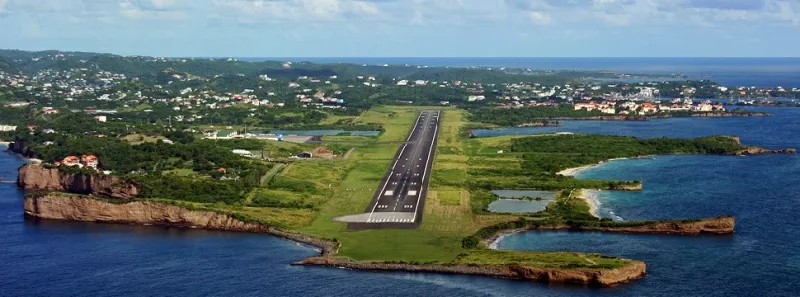
Every June through November, thousands of Americans land at Maurice Bishop International Airport with sunscreen, swimwear, and a vague awareness that hurricane season exists. What they rarely pack is a plan. At Grenada Emergency Hub, we hear from travelers every season who were prepared to relax but not to wait out a storm — and the gap between the two almost always comes down to a handful of inexpensive items.
Why a Standard Packing List Isn't Enough
Grenada sits at the southern edge of the main hurricane belt, which historically means fewer direct hits than the northern Caribbean. That statistics-based comfort is exactly what catches visitors off guard. When a storm does arrive, infrastructure can be disrupted for days: power outages, limited cell coverage, closed shops, and stretched emergency services.
"The most common mistake we see is travelers assuming the hotel will handle everything," says a disaster preparedness specialist we consulted for this guide. "Hotels do their best, but during a regional event, staff are managing their own families too. A self-sufficient traveler is a safer traveler."
The Forgotten Essentials
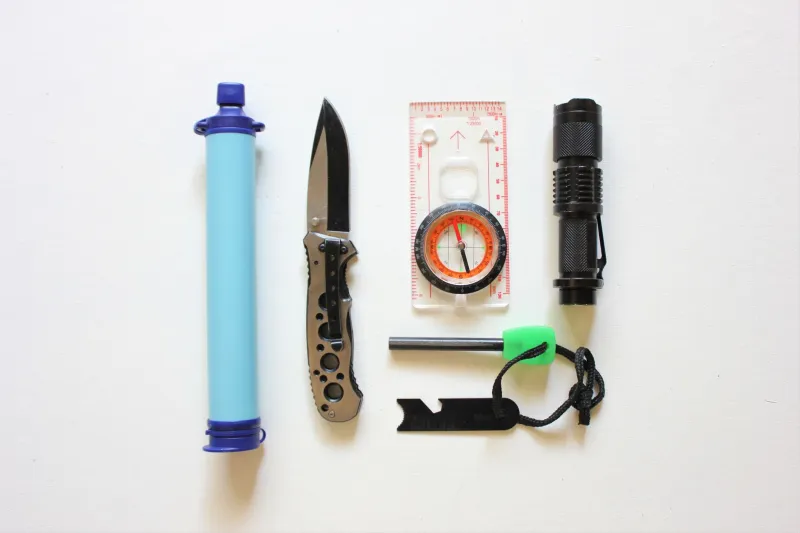
Water purification tablets. Bottled water disappears from store shelves fast when a storm is named. A small bottle of purification tablets or a compact filter weighs almost nothing and covers you for days. Iodine tablets or chlorine dioxide drops are widely available at US outdoor retailers like REI or Walmart.
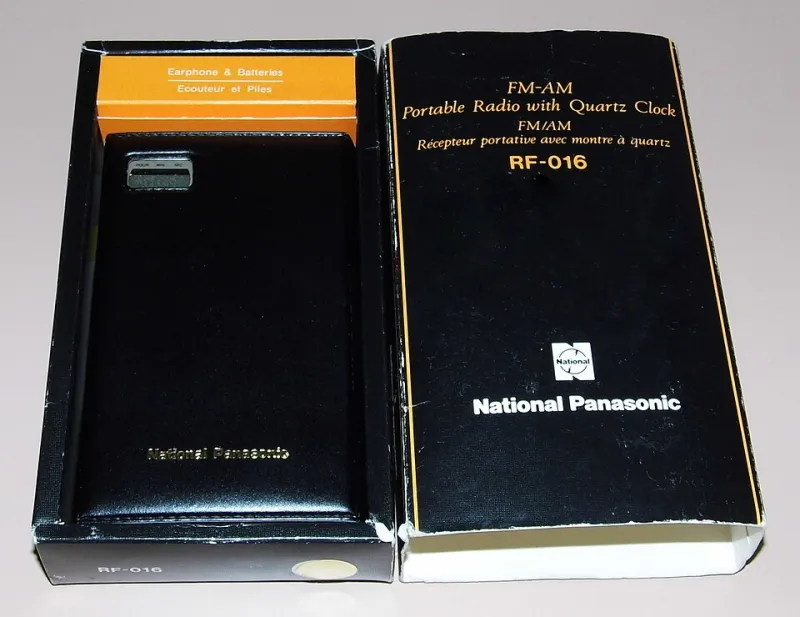
A hand-crank or battery radio. When cell towers fail, a NOAA-style crank radio with an AM/FM band and a USB charging port becomes your lifeline for official updates. Models from brands like Midland or Eton cost under $40 and fit in a carry-on.
Offline maps and downloaded documents. Download Grenada's road network on Google Maps or Maps.me before departure. Save your hotel address in both English and any relevant local context, and screenshot your ferry or tour confirmations.
Printed copies of critical documents. Your passport, travel insurance policy, airline booking, and a list of emergency contacts should exist on paper, sealed in a zip-top bag. Phones die; ink doesn't.
Cash in small denominations. ATMs and card readers can go down during outages. Carry US dollars in small bills — they are widely accepted — plus a modest amount of Eastern Caribbean dollars if you can get them.
Medications for a week beyond your stay. If flights are grounded, pharmacies may be closed or depleted. Pack prescriptions in original containers in your carry-on, never in checked luggage.
A basic first-aid kit with a twist. Beyond bandages, include oral rehydration salts, anti-diarrheal medication, and insect repellent. Standing water after a storm brings mosquitoes, and dengue is a known regional risk.
A portable power bank — and a second one. One power bank is a convenience. Two is a plan. Look for at least 20,000mAh capacity, and charge everything before any storm watch is issued.
Your Printable Packing List
- Water purification tablets or filter
- Hand-crank AM/FM radio with USB charger
- Two portable power banks, fully charged
- Flashlight or headlamp with spare batteries
- Printed passport, insurance, and booking copies in a waterproof bag
- Seven extra days of prescription medications
- First-aid kit with rehydration salts and insect repellent
- Cash in small US bills and local currency
- Whistle and emergency contact card
- Duct tape and a multi-tool (packed in checked luggage)
- Non-perishable snacks: protein bars, nut butter packets
- Emergency blanket
Before You Fly
Enroll in the US State Department's Smart Traveler Enrollment Program (STEP) so the US Embassy in Barbados — which covers Grenada — can reach you in a crisis. Share your itinerary with family at home, and know your hotel's evacuation procedures within the first hour of check-in, not the last day.
Preparedness isn't pessimism. It's the difference between a disrupted vacation and a dangerous one — and in Grenada, it weighs less than five pounds.