Before You Book That June Flight: A Grenada Storm-Season Planning Guide for American Travelers
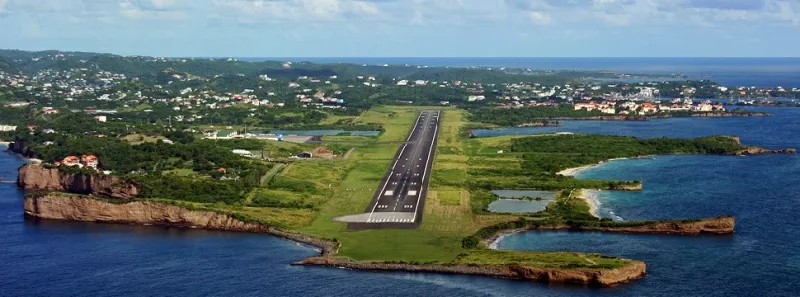
Americans planning a Caribbean getaway between June and November often assume hurricane risk ends at the Leeward Islands. Grenada sits at the southern edge of the Atlantic hurricane belt, and while direct hits are historically less frequent than in the northern Caribbean, they are not impossible. Hurricane Ivan's devastation of the island in 2004 remains a defining event in local memory, and it is the reason Grenada's preparedness infrastructure is taken seriously today.
If you are a US traveler with a trip on the calendar during storm season, this checklist-driven guide will help you prepare before departure and stay informed while on island.
Know the Season and the Realistic Risk
The Atlantic hurricane season officially runs June 1 through November 30, with peak activity typically from mid-August through late October. Grenada's southern location — roughly 12 degrees north of the equator — means many systems track well north of the island. But tropical storms and hurricanes have struck or passed close enough to disrupt flights, cause flooding, and damage infrastructure.
The practical takeaway is not to cancel your trip. It is to build flexibility and information into your plans the same way you would for a Florida or Gulf Coast vacation.
Before You Leave: The Pre-Departure Checklist
Print this list or save it to your phone before heading to the airport.
- Enroll in the US State Department's STEP program (Smart Traveler Enrollment Program) at step.state.gov. This registers your trip with the US Embassy and ensures you receive safety alerts by email.
- Review the current travel advisory for Grenada on travel.state.gov. Grenada typically carries a Level 1 advisory — the lowest level — but advisories can change.
- Purchase travel insurance that covers named storms, ideally within 14–21 days of your initial trip deposit to unlock pre-existing condition waivers and cancel-for-any-reason options.
- Save emergency contacts in your phone, including Grenada's emergency line (911 for police, fire, and ambulance), the St. George's University campus clinic if relevant, and the US Embassy for the Eastern Caribbean in Bridgetown, Barbados, which covers Grenada.
- Photograph your passport, driver's license, and insurance cards and store copies in cloud storage.
- Check your airline's weather waiver policy so you know your rebooking options if a storm threatens your travel dates.
- Pack a small emergency kit: flashlight, portable battery bank, any prescription medications in original containers, and a laminated or paper copy of key contacts.
- Share your itinerary with a family member or friend in the US, including hotel name and flight details.
Packing With Storm Season in Mind
Your Grenada packing list probably already includes reef-safe sunscreen and water shoes. Add the following:
- A windproof rain jacket rather than a compact umbrella — tropical squalls arrive with gusts.
- A 10,000mAh+ power bank, since power interruptions can follow heavy weather.
- Cash in small US bills or Eastern Caribbean dollars. Card systems and ATMs can go down after severe weather.
- Water purification tablets or a filter bottle as a lightweight backup.
- A paper map or offline maps downloaded to your phone. Cell coverage in Grand Anse and St. George's is strong, but rural parishes can lose signal.
Which Alerts to Monitor — and How
Do not rely on a single source. Cross-reference the following:
- The Grenada Meteorological Office issues official local advisories, tropical storm watches, and hurricane warnings. Follow their broadcasts and your hotel's guidance.
- The US National Hurricane Center (nhc.noaa.gov) tracks every Atlantic system with US-government accuracy and is easy to read from a US phone.
- The US Embassy in Barbados pushes security messages to STEP enrollees covering Grenada.
- Local radio remains a backbone of island communication during weather events. Ask your hotel which FM stations carry official bulletins.
Set a habit: check the National Hurricane Center outlook once daily during peak season, and more frequently if a system forms east of the Lesser Antilles.
Questions to Ask Your Hotel Before Arrival
Not all Grenada accommodations have equal emergency planning. Email your hotel or resort before you travel and ask directly:
- What is your evacuation route and designated shelter, and how are guests notified?
- Do you have a generator, and how long can it run?
- Is there an on-island emergency manager or point person for guests?
- What is your refund or rebooking policy if a named storm disrupts my stay?
- Do you maintain a supply of water, food, and first aid for an extended outage?
A property that answers these questions clearly is a property that has planned. Vague answers are useful information too.
How US Travel Insurance Applies to Caribbean Storms
Standard trip insurance typically covers cancellation or interruption when a named storm makes your destination uninhabitable or your airline cancels. Key points for Americans:
- Timing matters. Once a storm is named, most policies will not let you buy coverage for that event. Buy insurance when you book.
- Trip interruption can reimburse unused nights and change fees if you must evacuate early.
- Cancel for any reason (CFAR) upgrades, usually 40–50% more expensive, reimburse 50–75% of prepaid costs for any reason, including worry about a forecast.
- Medical coverage is essential; Medicare does not pay for care outside the US, so travelers on Medicare especially need a policy with medical evacuation.
Read the definitions section. Policies differ on what counts as an "evacuation order" versus a mere hurricane watch.
If a Storm Actually Threatens During Your Stay
Follow hotel instructions first — they coordinate with Grenada's National Disaster Management Agency (NaDMA). Fill bathtubs and containers with water, charge every device, keep your documents in a waterproof bag, and stay indoors through the storm's passage. The eye of a hurricane can bring deceptive calm; do not go outside until officials give the all-clear.
Grenada's tourism sector has rebuilt and hardened significantly since 2004, and most visitors pass through storm season without incident. Preparation is not pessimism. It is the difference between a stressful weather event and a manageable one — and it lets you relax and enjoy the island the moment your plans are locked in.