Before You Wade In: What Every American Should Know About Grenada's Beaches and Waters
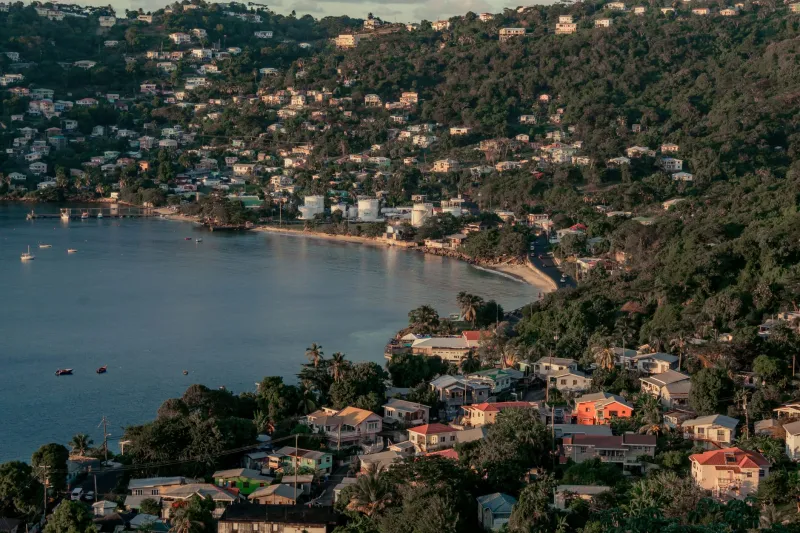
Grenada markets itself as the Spice Isle, but for many American visitors the real draw is the water. The island's beaches are genuinely spectacular — Grand Anse consistently ranks among the Caribbean's finest — yet the same coastline that looks inviting from a beach chair can behave very differently once you're past the break. Understanding which stretches of sand are swimmable, which demand respect, and what to do when something goes wrong is not paranoia. It's preparation.
Not All Grenadian Beaches Behave the Same Way
The first thing to internalize is that Grenada has two very different coastlines. The southern and western shores, sheltered by the island's geography, tend to offer the calm conditions most travelers expect from a Caribbean vacation. The eastern and northern coasts face the open Atlantic, and they operate by entirely different rules.
Grand Anse Beach is the island's postcard — two miles of soft sand on the southwest coast. It is generally the safest major beach for swimming, with a gentle gradient and relatively manageable conditions. That said, it is not risk-free. During swells, rip currents can form, particularly near the southern end. Grand Anse also has the island's most consistent lifeguard presence, with flags posted indicating conditions. Read them. A red flag is not a suggestion.
Morne Rouge (BBC Beach), just south of Grand Anse, is smaller and usually calmer, making it a favorite for families. It remains a reasonable choice on most days, though it lacks the same lifeguard coverage as its larger neighbor.
Magazine Beach offers protected swimming near the Point Salines area and is a solid option for travelers staying on the southern peninsula. Snorkelers should note that the rocky edges where fish gather are also where foot injuries happen.
Levera Beach and Bathway Beach on the north coast are beautiful and frequently deserted — for a reason. Bathway is protected by an offshore reef during calm periods, but when the Atlantic pushes through, conditions turn treacherous quickly. Locals swim there selectively; visitors should treat both beaches as look-don't-leap unless conditions are demonstrably calm and someone knowledgeable confirms it.
La Sagesse on the southeast coast is a stunning estuary beach, but the river mouth and open-ocean exposure create shifting sandbars and occasional strong currents. Exercise caution, and never swim here alone.
Anse La Raye, Sauteurs, and other Atlantic-facing coves should be assumed hazardous by default. Undertows on Grenada's windward coast are a known hazard, and emergency response times to these areas are significantly longer than to the south coast.
Rip Currents: The Single Biggest Danger
Drowning associated with rip currents is the leading cause of water-related fatalities among tourists across the Caribbean, and Grenada is no exception. The mechanics matter less than the response:
- Do not fight the current directly. Rips pull you away from shore, not under it.
- Swim parallel to the beach until you exit the narrow band of moving water, then angle back in.
- If you cannot swim out, float, keep your head above water, and signal for help by raising one arm.
The common mistake — panicking and swimming straight at the shore — exhausts even strong swimmers. Brief your travel companions on this before your first beach day, not after someone gets pulled out.
Lifeguard Coverage Is Limited — Plan Accordingly
Unlike Florida or Southern California, Grenada does not operate a comprehensive municipal lifeguard network. Formal patrol is concentrated at Grand Anse during peak hours and high season, and even there it is not continuous. Every other beach on the island should be treated as unsupervised.
Practical implications for American travelers:
- Swim during daylight, ideally mid-morning to mid-afternoon, when visibility and help availability are best.
- Never swim alone, and never after alcohol. The rum punch served at beach bars is stronger than it tastes, and impairment plus surf is a documented and recurring combination in tourist incidents regionwide.
- Establish a meeting point and check-in habit with your group, the same way you would on a ski slope.
Coral Cuts, Jellyfish, and Far-From-Clinic Injuries
Minor injuries in Grenada come with a logistical twist: the nearest medical facility may be a 30-minute drive, and on the north or east coasts considerably longer.
Coral cuts are the most common. Coral is living animal tissue colonized by bacteria, and these wounds infect easily. Rinse with clean fresh water, remove any debris with tweezers, and clean thoroughly with soap and water. Apply an antiseptic and cover the wound. If redness, swelling, or pus develops over the next 24 to 48 hours, see a doctor — an infected coral cut can require antibiotics. Bring a small first-aid kit from home; pharmacy supplies in rural areas are inconsistent.
Jellyfish stings occur, most often when currents sweep swarms inshore. Rinse with seawater (not fresh water, which can trigger remaining stinging cells), remove tentacles with tweezers or the edge of a card, and apply heat — hot water immersion or a hot pack — for 20 to 45 minutes to reduce pain. Seek medical care immediately for difficulty breathing, chest pain, or widespread reactions.
Sea urchin spines are a genuine hazard at rocky snorkeling spots. Wear water shoes. If spines embed in your foot, do not dig them out at the beach; a clinic visit is usually warranted.
Who to Call
Grenada's emergency number is 911, which dispatches ambulance and police services. The St. George's General Hospital is the country's primary medical facility and handles serious injuries. The Grande Anse Medical Station and several private clinics along the south coast treat minor injuries for visitors.
US citizens facing a serious medical situation should also contact the US Embassy in Barbados, which covers Grenada, for assistance locating appropriate care and facilitating insurance communication. Before your trip, verify that your health insurance covers care abroad or purchase travel medical coverage — most domestic US plans provide little or none.
The Bottom Line
Grenada's beaches reward informed visitors with some of the finest swimming in the Caribbean. The formula is simple: choose the south coast for swimming, respect the Atlantic side entirely, swim sober and supervised whenever possible, and carry the basic supplies to stabilize a minor injury until help is reachable. Save 911 and your embassy's contact information in your phone before you leave your hotel — not from the beach.